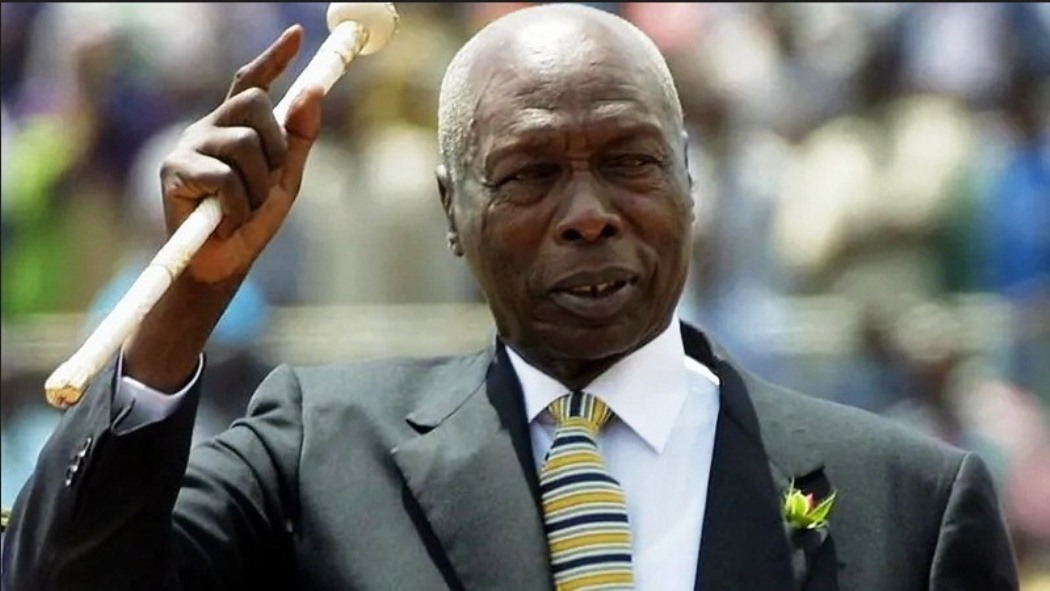


Kenya’s second President, Daniel arap Moi, promised that Kanu, would govern the country for 100 years.
By PATRICK MAYOYO
When Kenya’s second President, Daniel arap Moi, retired from politics ahead of the 2002 General Election, he reportedly predicted that the independence ruling party, Kanu, would govern the country for 100 years.
More than two decades later, although Kanu has lost its formal grip on the presidency, the political networks, personalities and power structures associated with its 39-year rule remain firmly embedded in Kenya’s political establishment.
As the country approaches the 2027 General Election, a fundamental question arises: will Generation Z and the millennials finally dismantle this enduring political order, or will they once again find themselves voting for a new administration dominated by familiar faces from the Kanu era? The answer could determine the direction the political future the country will take.
The defeat of Kanu in 2002 was widely celebrated as a historic democratic breakthrough. Mwai Kibaki, the National Rainbow Coalition (NARC) presidential candidate, ended Moi’s 24-year presidency and Kanu’s uninterrupted hold on executive power since independence.
However, the political transition did not necessarily translate into the dismantling of the old establishment. Kibaki himself was a former Kanu secretary-general and Cabinet minister both during the regime of independence President Jomo Kenyatta and under Moi.
The pattern continued in 2013 when Uhuru Kenyatta, another prominent figure in the Moi administration and son of Kenyatta, ascended to power on a Jubilee coalition ticket. His administration brought together several politicians whose political careers had been shaped within the Kanu establishment including William Ruto, who was his deputy and once the Kanu Secretary General when Uhuru was the Kanu chairman.
In 2022, Ruto succeeded Uhuru. Ruto had previously served as Kanu’s Secretary General and was a Cabinet Minister during Moi’s presidency.
Consequently, while Kenya has experienced changes of political parties and presidential administrations, the circulation of political power among individuals connected to the independence-era establishment has remained remarkably persistent.
This is not to suggest that these administrations were identical or that their political programmes were indistinguishable. Rather, it highlights the remarkable ability of established political networks to re-invent themselves, negotiate new alliances and remain influential across successive administrations.
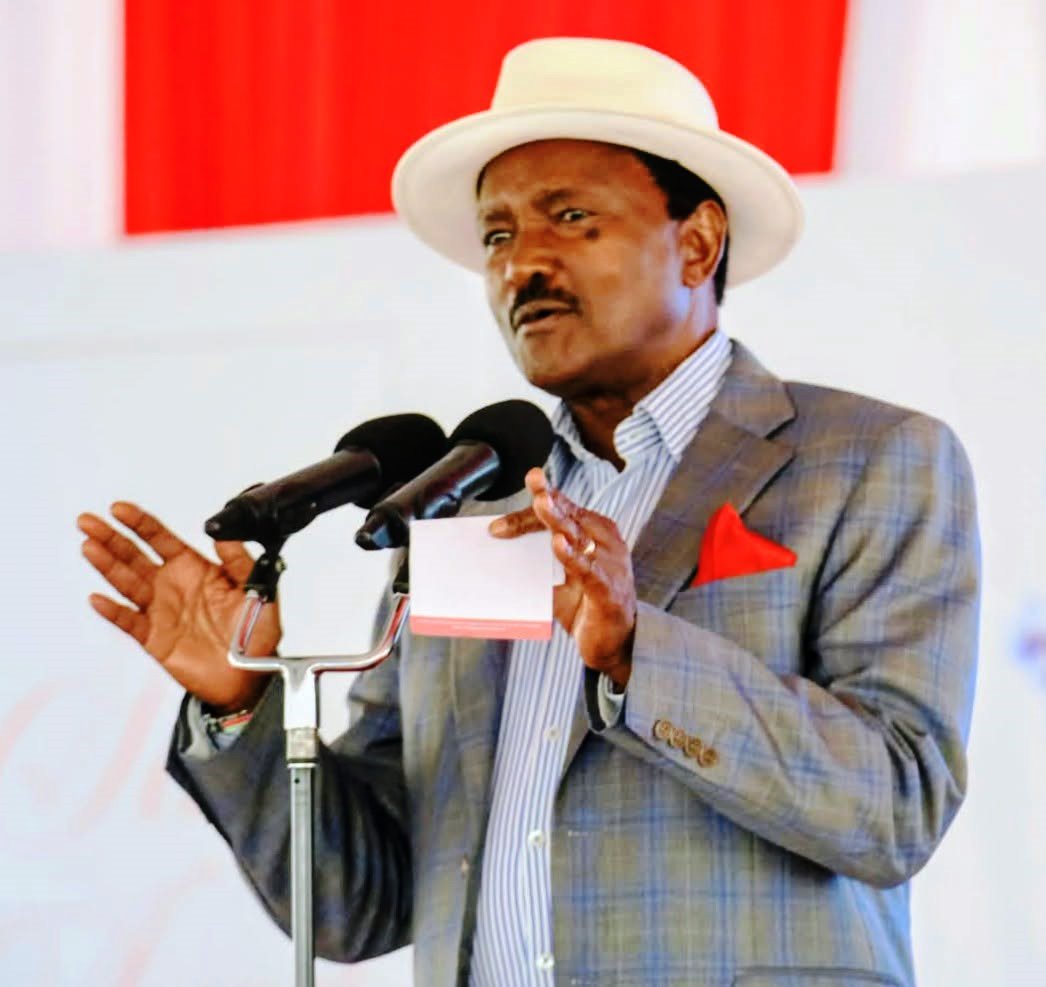
The emerging presidential contest suggests that this pattern could continue. President Ruto represents one strand of the old political establishment. Kalonzo Musyoka, the Wiper Patriotic Front leader and a former Kanu National Organizing Secretary and Cabinet minister, represents another.
Former Deputy President Rigathi Gachagua, although not a formal Kanu official, built his career within the provincial administration system that operated under Moi. He subsequently served as Uhuru’s personal assistant before rising to national prominence.
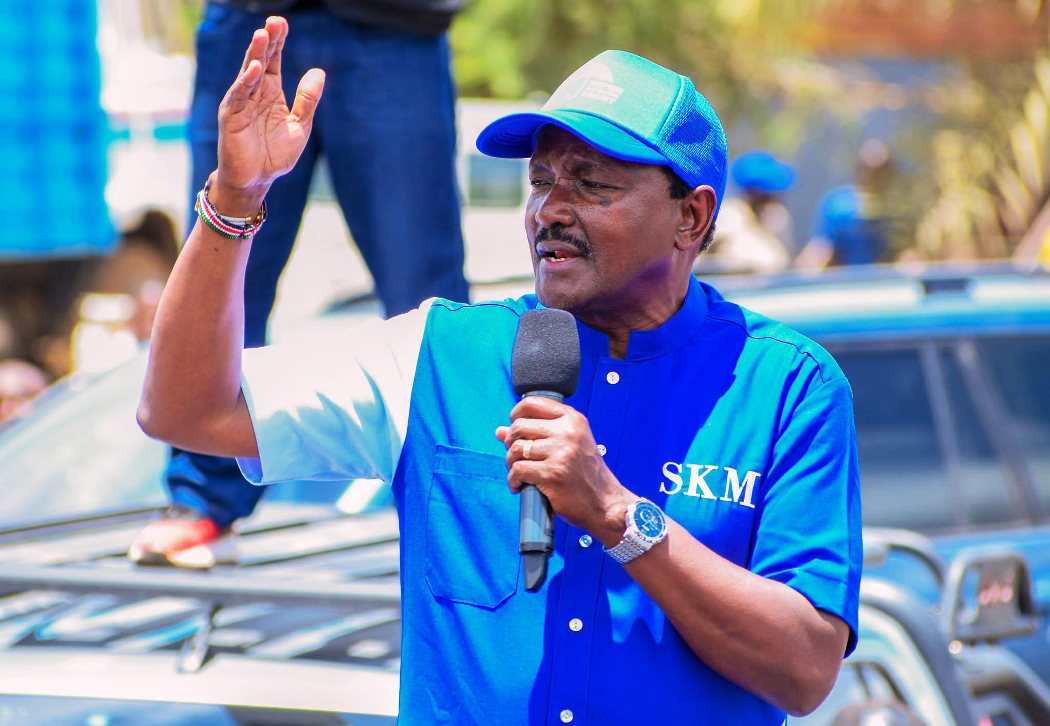
Kalonzo Musyoka was once the Kanu National Organising Secretary. PHOTO/FILE
Former Interior Cabinet Secretary Fred Matiang’i, a presidential aspirant associated with the Jubilee Party, also emerged from a political environment closely connected to the Kanu establishment.
His earlier association with former Cabinet minister Simeon Nyachae and subsequent service in the Uhuru-Ruto administration illustrate how deeply interconnected Kenya’s political elite remains.
Other influential figures, including Prime Cabinet Secretary Musalia Mudavadi and National Assembly Speaker Moses Wetang’ula, further demonstrate the enduring presence of politicians whose formative political careers were shaped during the Kanu years.
The critical issue, therefore, is not simply whether Kanu will return to State House. It is whether Kenya can move beyond a political system in which the same networks repeatedly dominate presidential succession, regardless of the parties under whose banners they compete.
This is where Generation Z and the millennials could fundamentally change the equation. The 2024 Gen Z-led protests against the Finance Bill marked a significant departure from Kenya’s traditional political mobilisation.
Young people mobilised largely through digital platforms, challenged the government’s fiscal policies and demonstrated an unprecedented willingness to confront political authority without relying entirely on established political parties or opposition leaders.
The protests exposed a generation increasingly unwilling to accept inherited political loyalties, ethnic mobilisation and conventional patronage politics as the defining features of democratic participation.
More importantly, they demonstrated that political consciousness among young Kenyans is increasingly organised around accountability, economic opportunity, taxation, corruption, public services and constitutional governance.
The challenge for the political establishment is that these grievances cannot easily be addressed through the traditional politics of ethnic arithmetic and elite power-sharing. The recent United States mid-term electoral results cited in this debate offer an interesting illustration of how generational voting patterns can influence political outcomes.
According to Associated Press (AP) Voter Poll/SSRS data, 71 percent of US voters aged between 18–29 voted for Democrats while 25 percent voted for Republicans.
Democratic candidates made up significant ground among key demographic groups in the 2026 midterms, according to The AP Voter Poll, reversing many of the gains President Donald Trump made with the traditional Democratic coalition in the 2024 presidential election.
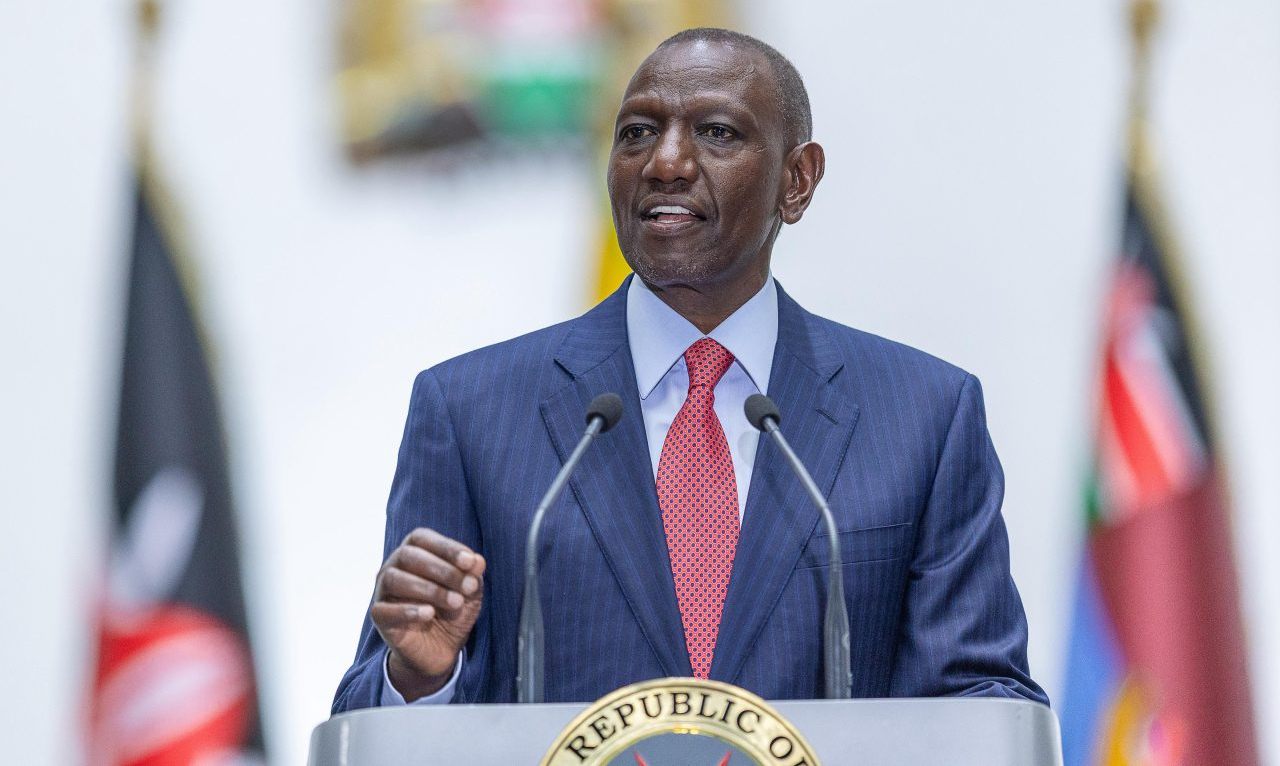
President Ruto used to be the Kanu Secretary General. PHOTO/FILE.
The AP Voter Poll, a sweeping survey of more than 100,000 voters in all 50 states, showed that young voters swung sharply left.
Although American political dynamics cannot be directly transplanted into Kenya, the broader lesson is important: younger voters can become a decisive electoral constituency when their political preferences converge around shared economic and social concerns.
Kenya’s millennials and Gen Z could similarly reshape the 2027 electoral landscape. Together, they represent a substantial section of the electorate, although their influence will ultimately depend on voter registration, turnout and geographical distribution.
Their challenge will be to convert the energy witnessed during the 2024 protests into sustained political organisation and electoral participation. Against this backdrop, politicians without direct links to the former Kanu establishment could attract considerable attention.
Nairobi Senator Edwin Sifuna, associated with the Linda Mwananchi political movement, represents a potential bridge between younger voters and established democratic politics. His political appeal could rest on his ability to articulate demands for accountability, institutional reform and generational renewal.
Martha Karua, leader of the People’s Liberation Party, also represents an alternative political tradition, having built much of her political identity around constitutionalism, democratic reform and opposition to authoritarian governance.
Then there is Ndindi Nyoro, the Kiharu MP and leader of the People’s Party of Kenya (PPK), who has emerged as another prominent figure in the unfolding debate on generational and political change. An economist by training, with a degree from Kenyatta University, Nyoro has built his political profile around economic discourse, public finance and constituency development.
So far Gen Z have emerged to be associated with the Linda Mwananchi Movement whose presidential candidate is expected to be Sifuna. However, Gen Zs support will have to be earned through credible policies, political integrity and a willingness to embrace a genuinely different approach to governance.
The biggest obstacle to breaking the Kanu-era political order is not necessarily the absence of alternative leaders. It is the division within opposition politics, the persistence of ethnic voting blocs, the influence of political financing and the ability of established politicians to absorb emerging movements into familiar coalitions.
Young Kenyans may reject the old political establishment, but rejecting it is not the same as organising a viable electoral alternative. Furthermore, millennials and Gen Z are not politically homogeneous. They differ in economic circumstances, regional interests, political priorities and ideological preferences. Their demographic weight alone cannot guarantee a political revolution.
For the 2027 election to become a genuine generational watershed, young voters must move beyond online activism and participate in voter registration, civic education, candidate scrutiny and the ballot.
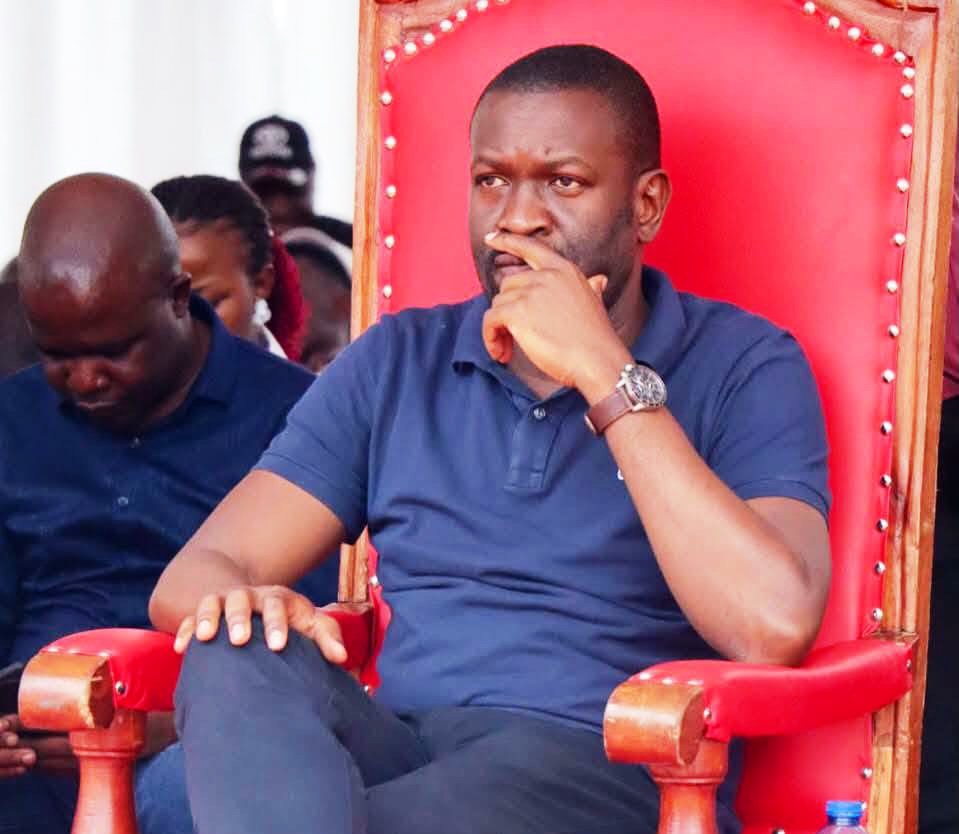
Nairobi Senator and Linda Mwananchi Movement presidential aspirant is emerging as darling of youthful voters. PHOTO/FILE.
Equally important, emerging political leaders must demonstrate that generational change means more than replacing older politicians with younger faces. It must involve a fundamental shift in how power is exercised, public resources are managed and citizens participate in governance.
It has to be noted that generational change is not simply about replacing older politicians with younger faces or transferring political power from one age group to another. Rather, it represents a fundamental shift in political leadership, ideas, values, priorities and the exercise of public authority.
It entails moving away from the politics of personality cults, ethnic mobilisation, patronage and inherited political networks towards a new political culture anchored in accountability, integrity, transparency, constitutionalism, economic opportunity and citizen participation.
In Kenya’s context, generational change should mean dismantling entrenched political interests and creating space for fresh leadership, innovative ideas and governance approaches that respond to the aspirations of a changing population.
Ultimately, it is not the age of those seeking power that matters most, but whether they represent a genuine departure from the political practices that have defined the country since independence.
Moi’s prediction that Kanu would rule Kenya for a century may yet prove politically symbolic rather than literally accurate. The party lost State House in 2002, but the networks that sustained its dominance have demonstrated extraordinary resilience. The 2027 General Election could present the strongest opportunity yet to challenge that legacy.
Gen Z has already demonstrated its capacity to disrupt Kenya’s political establishment. The millennials bring additional electoral weight and a generation’s worth of experience navigating the country’s changing political and economic landscape.
But the decisive question is whether these two generations can unite around a common political vision rather than become instruments in the familiar succession battles of established politicians. If they succeed, 2027 could mark the beginning of a genuinely new political order.
If they fail, Kenya may once again witness a change of political leadership without a meaningful change in the people and networks controlling the levers of power.
The real battle in 2027 may therefore not be between Ruto, Sifuna, Kalonzo, Gachagua or any other presidential aspirant. It may be between an entrenched political establishment seeking to preserve its influence and a new generation determined to redefine who governs Kenya and, more importantly, how the country is governed.