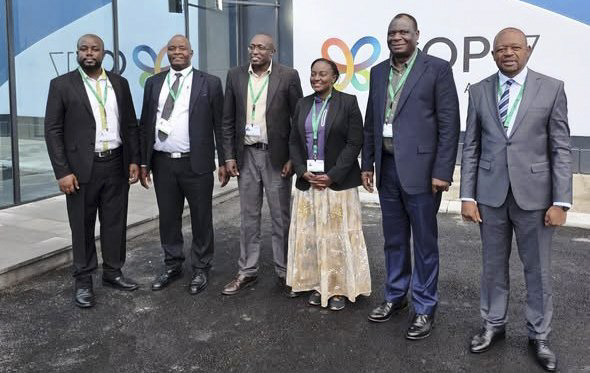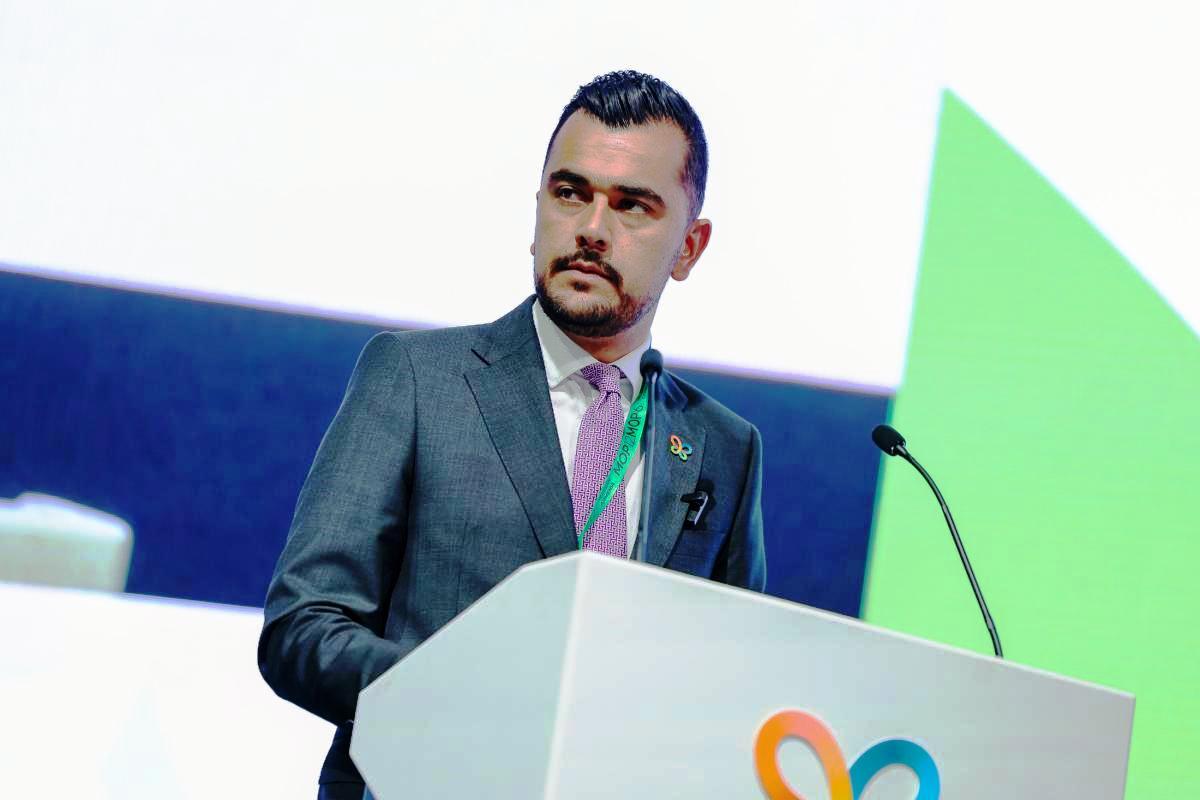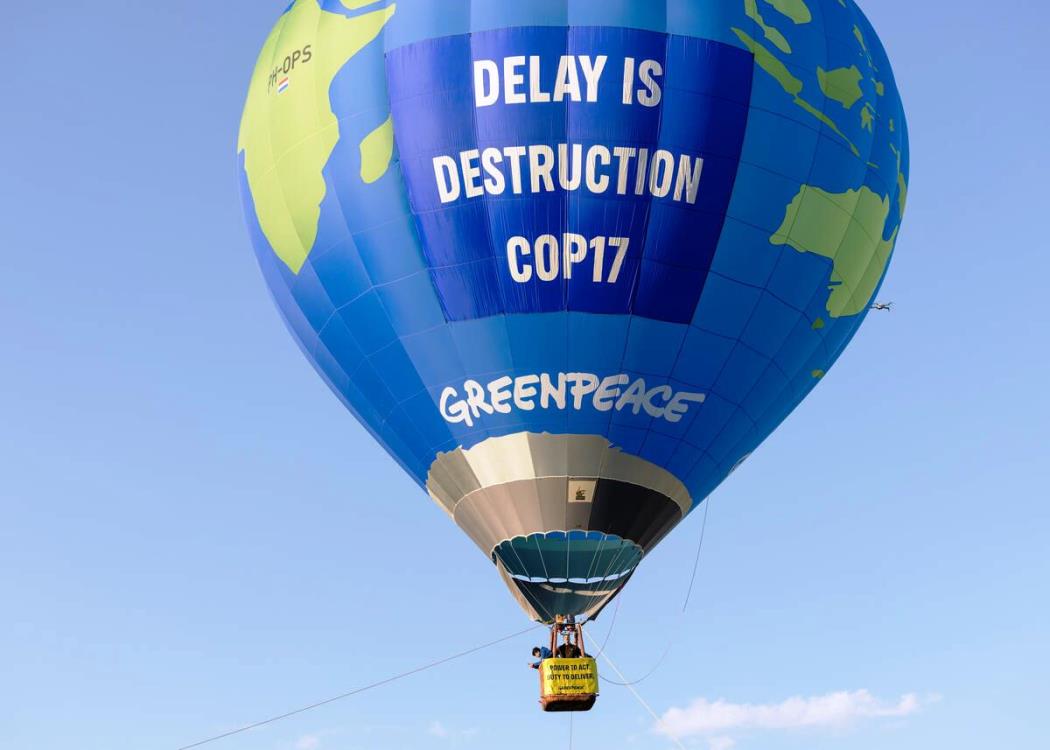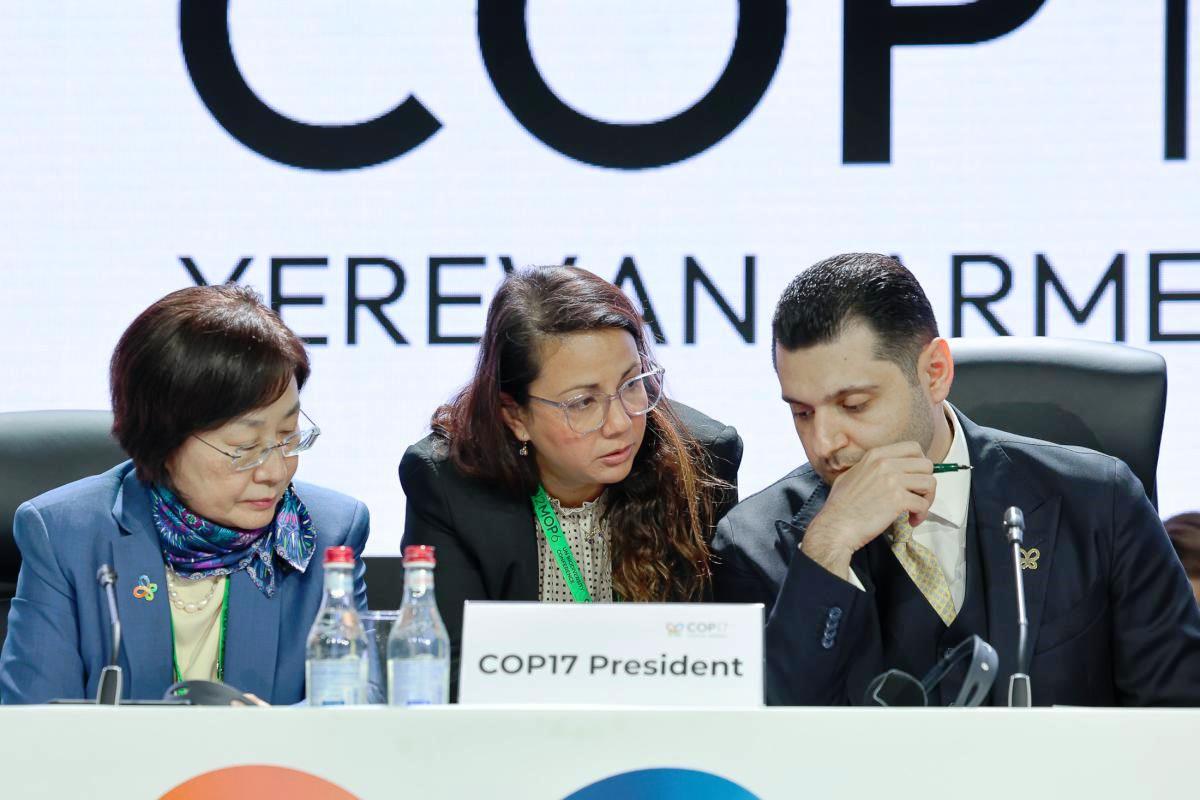


A prolonged and protracted process to phase out fossil fuel could threaten the long-term future prosperity of the continent. PHOTO/UN/Duncan Moore.
By PATRICK MAYOYO
With the first week of COP28 drawing to a close, African countries are finding themselves at loggerheads over the right terminology to applied in transiting from fossil fuels to clean energy.
While three West African countries – Nigeria, Senegal and Mauritania – have vehemently opposed any text on phaseout, arguing that their economies are highly dependent on oil extraction, which will have adverse implications for citizens. On the other hand a section of other African countries prefer the phasing out of fossil fuels.
The science is clear that to have any meaningful chance of saving the planet and to align with a 1.5 °C scenario, fossil fuel-related emissions need to decline by 60% by 2030.
A prolonged and protracted process to phase out fossil fuel could threaten the long-term future prosperity of the continent, which, more than any other region, is bearing the brunt of the climate crisis.
Oil and gas-producing African countries have not seen accelerated development from these resources. Instead, the majority remain vulnerable, with communities dealing with high prices, a lack of economic opportunities and unending socio-ecological costs.
Nigeria has the world’s highest energy deficit despite being the top producer of oil and gas in the continent. Compounding factors drive Africa’s energy access deficit, including unaffordability due to global markets that largely determine fossil fuel pricing that is out of reach for the majority of the population in the continent.
Lack of infrastructure is also a major challenge, with statistics showing that in some countries, less than one in four are connected to the national grid.
“A fossil fuel phaseout for many African countries is an ideal that needs to be supported by stronger commitments from the global community to meet their financial promises for more investment and public funding directed towards renewable energy,” said Thandile Chinyavanhu, Greenpeace Africa’s Climate and Energy Campaigner.
Fair finance, coupled with a differentiated phaseout, with rich country producers going first, would give allowance to developing countries’ socio-economic considerations to be factored into the phaseout timeframes and will be key to achieving a fair and rapid global phaseout.
Differentiated phaseout timelines will not alone be enough to ensure that phaseouts are fair: many countries can only phase out extraction if they are provided with international support.
On Thursday, over 100 countries from Africa, the Caribbean, the Pacific and Europe called for phasing down unabated fossil fuels, signalling the growing momentum to move towards a decarbonized future. On Saturday, over 118 countries, including more than 24 from Africa, signed up to the goal to triple renewable energy by 2030.
“Africa has the potential to become a superpower in clean energy, building on its vast resources in solar, wind, hydro, and geothermal energy. This has to come with a strong call for a fast, fair, fully funded energy transition,” Denis Gyeyir from the Natural Resource Governance Institute.