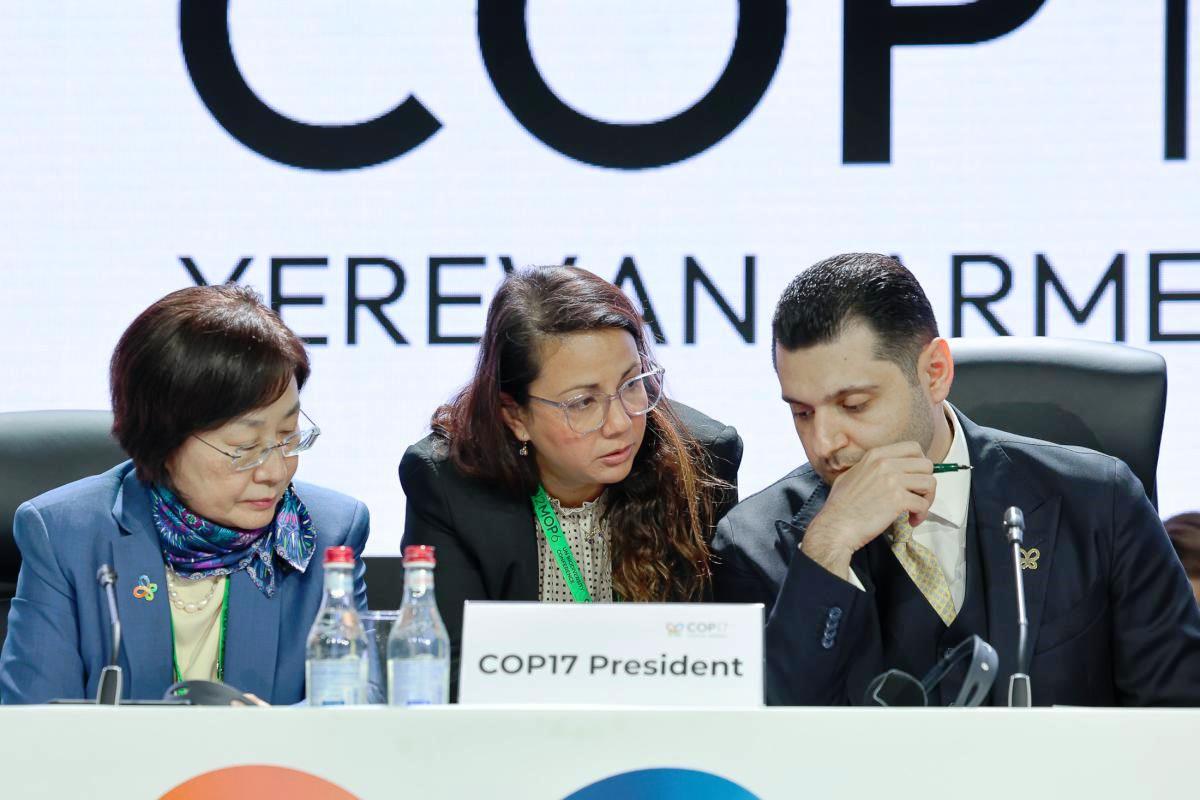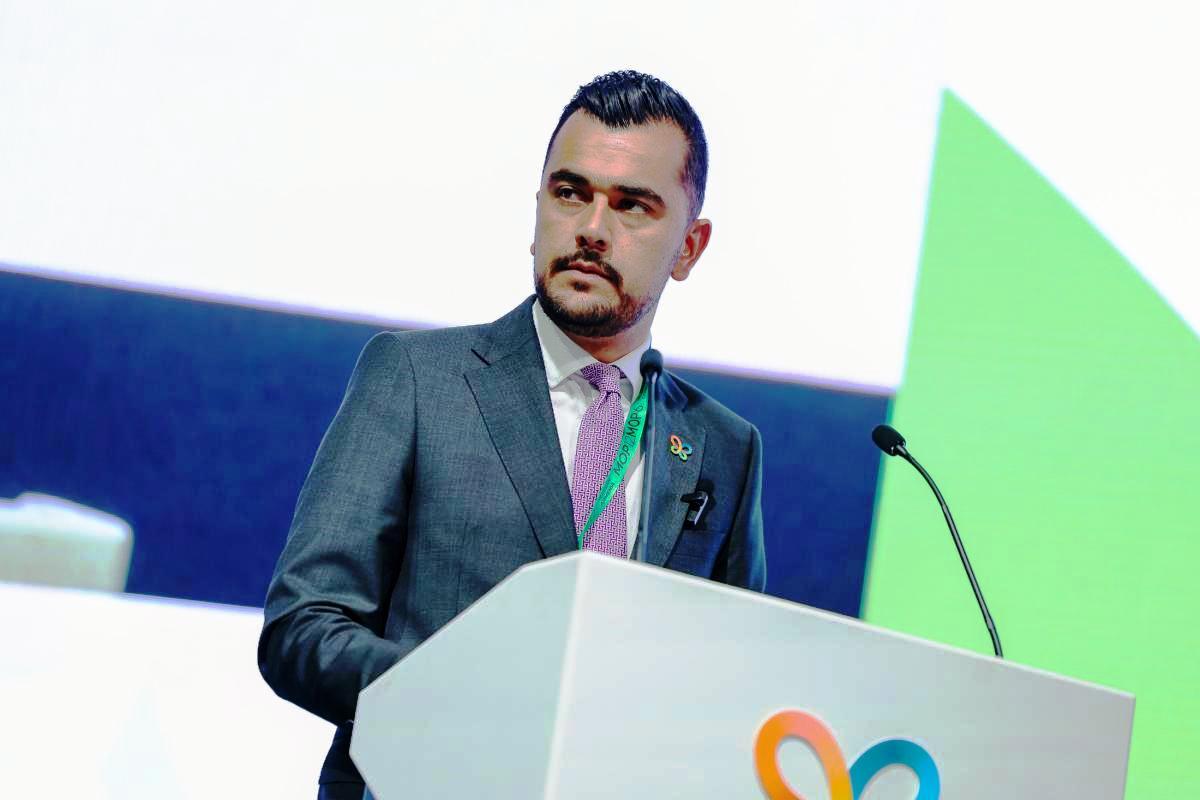


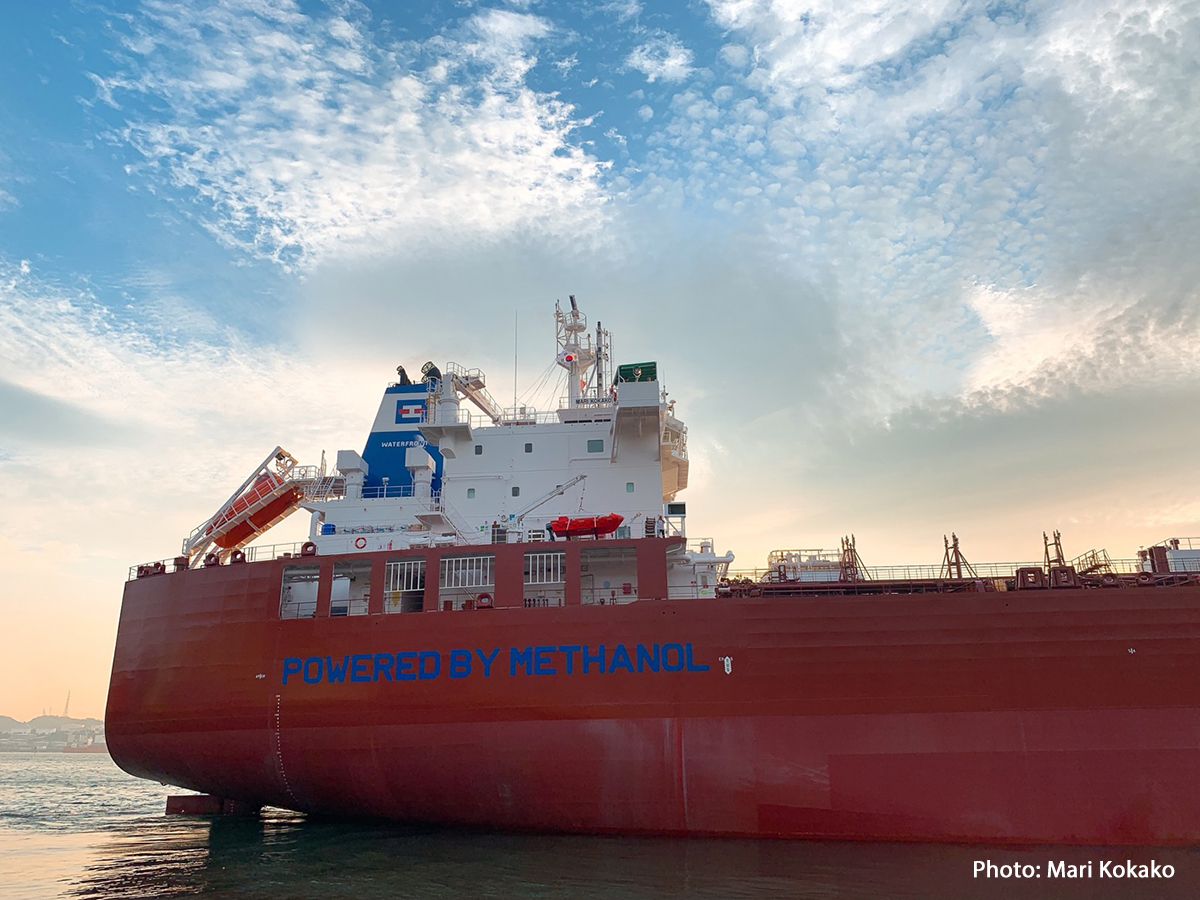
IMO says MARPOL has had a positive impact on the marine environment, but significant work still faces the shipping industry. PHOTO/IMO
By PATRICK MAYOYO
Today, September 29, the International Maritime Organisation (IMO) marks the World Maritime Day whose theme “MARPOL at 50- our commitment goes on” focuses on the implementation of the International Convention for the Prevention of Pollution from Ships (MARPOL) by ports across the globe.
This development puts Kenya Ports Authority (KPA) in the spotlight for its failure to operationalize a marine waste handling facility in line with IMO’s MARPOL Convention that came into force 50 years ago.
In 2014, the Taskforce on Review of Maritime Laws that was chaired by lawyer Musili Wambua, recommended the enactment of the Marine Pollution Bill 2014 that was to domesticate the MARPOL Convention and lead to the establishment of marine waste management facilities within Kenyan ports.
The Marine Pollution Bill 2014 is yet to be enacted thereby jeopardizing Kenya’s efforts to comply with the provisions of the MARPOL convention that protects Kenya’s coastline and ports from marine pollution caused by ships.
This year’s World Maritime Day theme, reflects IMO’s long history of protecting the environment from the impact of shipping via a robust regulatory framework and emphasizes its ongoing commitment to this important work.
The theme also spotlights the MARPOL Convention which covers prevention of pollution of the marine environment by ships from operational or accidental causes.
It however, has to be noted that while the Government of Kenya is still dilly-dallying with the enactment of the Marine Pollution Bill 2014, a private firm namely East African Marine and Environmental Management Company had invested in a multi-billion and ultra-modern marine waste handling plant that has been closed down.
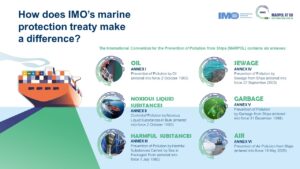
INFOGRAPHIC/IMO
Interestingly, Kenya Ports Authority had officially contracted East African Marine and Environmental Management Company, to install and operationalize the multi-billion marine waste plant in line with the requirements MARPOL convention.
While the private investors complied with the contractual obligations as outlined in the tender documents and set up the marine waste plant that could handle garbage, sewerage, waste oil, sludge, ballast water and other related marine waste, KPA reneged on its obligations.
As the world celebrate the World Maritime Day, the Government of Kenya should take this opportunity to revisit the issue of operationalizing a marine waste handling facility at Mombasa port and other ports with a lot of urgency.
This is a challenge that the Cabinet Secretary for Roads, Transport, and Public Works, Mr Onesimus Kipchumba Murkomen, should confront head-on given his focus on ensuring that Kenyan ports remain ahead of competition in the region.
It has to be noted that the IMO Secretary General Kitack Lim has said the voyage towards an environmentally sound shipping sector started over 50 years ago and we are at a time the world recognizes the need to protect our planet and, in particular the marine environment from all sources of pollution.
Lim says that MARPOL has had a positive impact on the marine environment and it has changed how ships are designed and operated in addition to helping curb the discharge of plastic garbage into the sea together with operational wastes, such as garbage and sewage, as they are very strictly regulated.
In his message on the World Maritime Theme for 2023, Lim, noted achievements already made in regulating to protect ocean health, but made it clear that significant work still faces the shipping industry. And KPA should take a cue from IMO and ensure that it protects our ports from marine pollution.
The writer is the Environment Editor at EYEWITNESS MEDIA GROUP LLC