

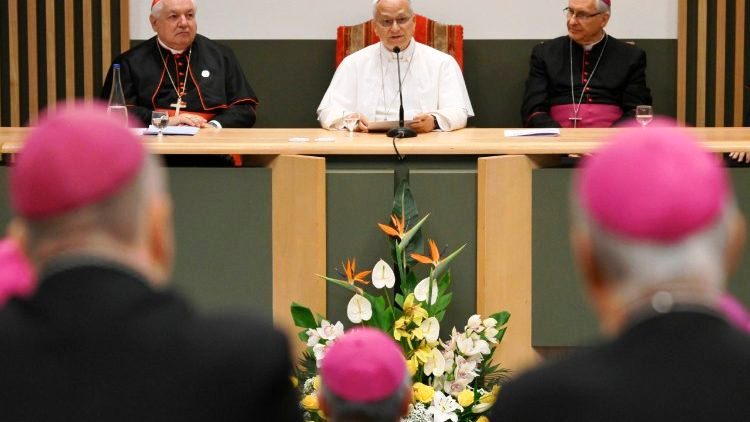
Pope Leo XIV meets with France bishops. PHOTO/VATICAN
By PATRICK MAYOYO
Catholic churches today are placing repentance, humility and faithful action at the centre of the liturgy, as worshippers are reminded that what ultimately matters is not what people say, but whether their lives reflect God’s will.
The readings for today’s Mass present a consistent message: people can change, God calls them to account for their choices, and genuine faith must be demonstrated through action.
The first reading, from the Book of Ezekiel, confronts the human tendency to accuse God of being unfair. Through the prophet, God challenges Israel’s complaint and turns the question back on the people: is God’s way really unfair, or are human beings responsible for the consequences of their own choices?
Ezekiel offers a message of both responsibility and hope. A person who has lived rightly but later turns towards wrongdoing will be held accountable for that wrongdoing. But the reverse is also true: someone who has lived badly but genuinely turns away from sin and begins to do what is right can live.
The message is therefore not one of permanent condemnation. It is a call to conversion. The past does not have to determine the future when a person sincerely turns away from wrongdoing and chooses what is right.
That theme becomes even clearer in the Gospel according to Matthew. Jesus tells the story of a father who asks his two sons to work in his vineyard. The first initially refuses but later changes his mind and goes. The second immediately agrees but never goes.
When Jesus asks which son actually did his father’s will, the answer is obvious: the one who eventually acted.
The story challenges a form of faith that exists only in words. Saying “yes” to God is not enough if that yes is never translated into action. Conversely, an initial failure does not have to be the end of the story if a person recognises the mistake, changes direction and does what is right.
Jesus then delivers a deliberately challenging message to the religious leaders of his time, saying that tax collectors and prostitutes were entering God’s kingdom before them.
His point was not that sin was acceptable. Rather, he was exposing the difference between recognising one’s need for repentance and believing that one’s outward religious standing makes repentance unnecessary.
Those regarded as sinners had responded to the preaching of John the Baptist by changing their lives, Jesus says, while some who had witnessed this transformation still refused to believe.
The Gospel therefore asks a difficult question of every believer: Is my faith visible in the way I live, or is it confined to what I say?
The second reading, from St Paul’s Letter to the Philippians, takes the message further by presenting Christ himself as the model of Christian life.
Paul urges Christians to reject selfish ambition and pride, and instead to look to the interests of others. He points to Jesus, who humbled himself, took the condition of a servant and accepted suffering and death on the cross.
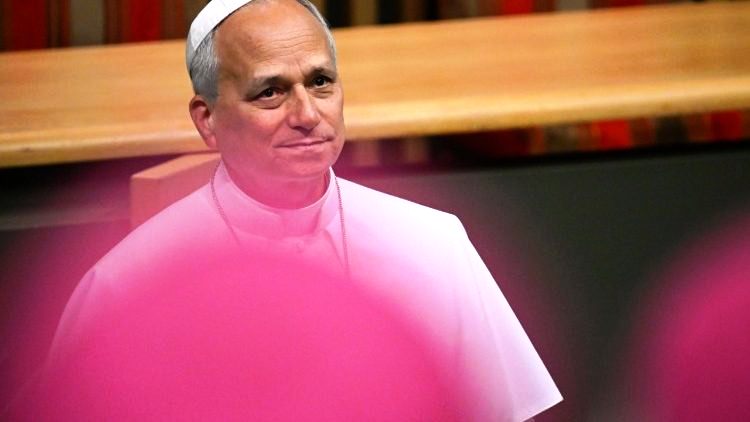
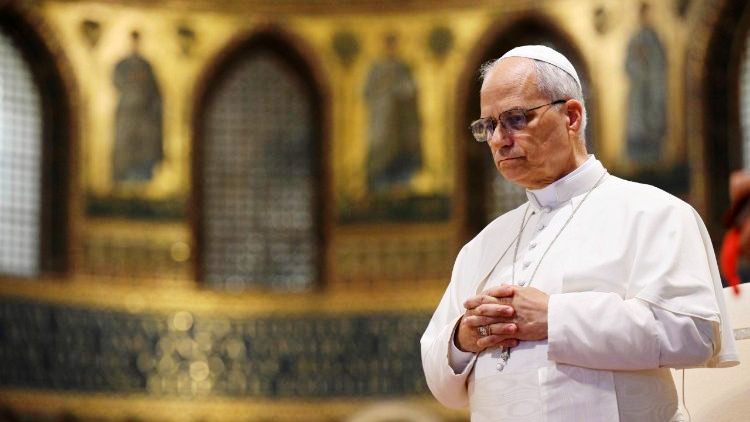
Pope Leo XIV. PHOTO/VATICAN
For Paul, Christian humility is not weakness. It is a deliberate decision to place love, service and obedience to God above personal status.
The passage reaches its climax in the proclamation that Jesus Christ is Lord. The one who humbled himself is exalted by God, showing a profound Christian paradox: true greatness is found not in elevating oneself above others, but in giving oneself in love.
Taken together, today’s readings offer a single spiritual journey. Ezekiel speaks of changing one’s direction. Paul speaks of changing one’s attitude. Matthew speaks of turning words into action.
The three readings therefore challenge Christians to examine themselves honestly. A person may have made serious mistakes, but repentance remains possible. Someone may speak convincingly about faith, but words without action remain incomplete. And a person may possess status, knowledge or religious authority while still needing the humility to recognise personal faults.
The Gospel’s reference to tax collectors and prostitutes is particularly significant because Jesus overturns the assumptions of those who believed that outward respectability automatically placed them closer to God.
The people who appeared morally distant were capable of responding to God’s call, while those who considered themselves righteous could become closed to correction.
The interpretation attributed to Pope Francis in his 16 December 2014 homily makes the same point: the Christian path requires a heart that can acknowledge its own sins, accept correction and place its trust in God.
The emphasis is therefore not on pointing at another person’s failures, but on being able to say honestly: these are my sins; these are my responsibilities; this is where I need to change. That humility lies at the heart of today’s liturgy.
For Catholics gathering around the world, the readings ultimately present repentance not as an admission of defeat but as an opening towards life. The person who recognises wrongdoing and turns back towards what is good is offered a new beginning.
The vineyard in Jesus’ parable can consequently be understood as an invitation to participate in God’s work here and now. The decisive question is not whether someone once said yes or no. It is whether that person eventually responds.
Today’s Mass therefore leaves believers with a straightforward but demanding challenge: Do not merely say yes to God. Live that yes.
Repent when you are wrong. Accept correction. Put aside pride. Look after the interests of others. Trust in God. And, above all, allow faith to become visible through the choices made each day.
The message of the readings is ultimately one of accountability accompanied by mercy: people are responsible for their choices, but they are never beyond the possibility of conversion.