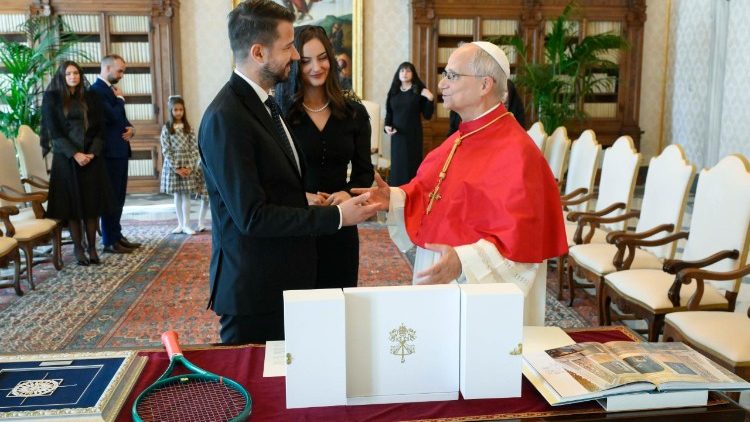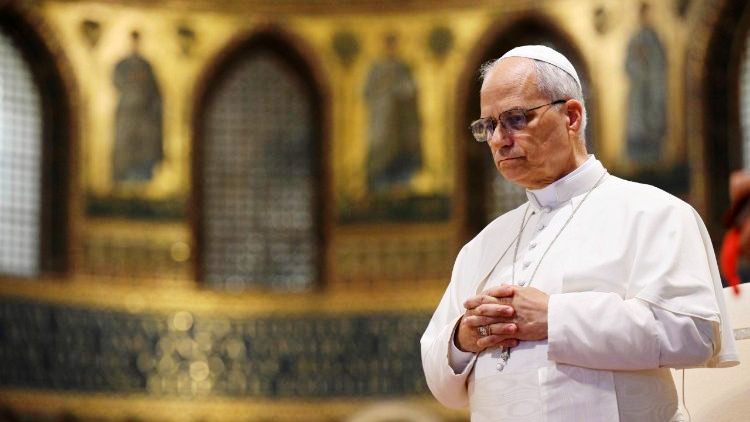


Pope Leo XIV at the diocesan assembly in the Basilica of St John Lateran on September 19, 2025. PHOTO/FILE.
By PATRICK MAYOYO
Catholics are invited to reflect on God’s abundant love, the promise of eternal life and the importance of responding to His call with genuine faith.
The readings from Isaiah, St Paul’s Letter to the Philippians and the Gospel according to Matthew present a message of hope, perseverance and spiritual responsibility, reminding Christians that accepting God’s invitation requires more than words; it demands a life transformed by love and good deeds.
The first reading, Isaiah 25:6–10a, describes God preparing a magnificent feast for all peoples on His holy mountain. The rich food and choice wine symbolise abundance, joy and the fulfilment of His promises.
More importantly, Isaiah declares that God will destroy death, remove the veil covering the nations and wipe away every tear. This offers comfort to those experiencing grief, suffering, injustice and uncertainty, assuring them that pain and death will not have the final word.
The promise also points towards the Christian hope of resurrection and eternal life through Jesus Christ. By extending the invitation to all peoples, Isaiah emphasises that God’s salvation is not limited by nationality or social background.
The reading encourages believers to remain hopeful even during difficult times, trusting that God has not abandoned humanity and will ultimately bring His people into lasting joy.
In Philippians 4:12–14, 19–20, St Paul explains that he has learnt to live in both abundance and need. Whether well fed or hungry, prosperous or struggling, he remains steadfast through the strength he receives from Christ.
His words, “I can do all things in Him who strengthens me”, are not a promise that Christians will achieve every ambition or escape hardship. Rather, they express confidence that faith in Christ can sustain believers through changing circumstances.
Paul also thanks the Philippians for supporting him during his distress, highlighting the importance of solidarity and compassion within the Christian community.
His assurance that God will provide what His people need encourages trust in divine providence without suggesting that every material desire will be fulfilled.
The reading challenges Christians to avoid despair during hardship and pride during prosperity. It also calls them to support those facing poverty, illness, unemployment and other difficulties, demonstrating their faith through practical acts of kindness.
The Gospel, Matthew 22:1–14, presents Jesus’ parable of a king who prepares a wedding feast for his son. When the invited guests refuse to attend, some ignore the invitation to pursue their businesses and personal interests, while others mistreat and kill the king’s servants.
The king subsequently sends his servants into the streets to invite everyone they find, both good and bad, until the wedding hall is filled. However, one guest arrives without a wedding garment and is eventually expelled. Jesus concludes: “Many are invited, but few are chosen.”
The king represents God, while the wedding banquet symbolises His kingdom and the joy of communion with Him. The son points to Jesus Christ, through whom Christians receive God’s invitation to salvation. The servants represent those who communicate God’s message.
The guests who refuse to attend illustrate how people can become so absorbed in work, possessions and personal ambitions that they neglect their relationship with God. Their everyday activities are not wrong in themselves; the problem arises when these priorities become excuses for rejecting His call.
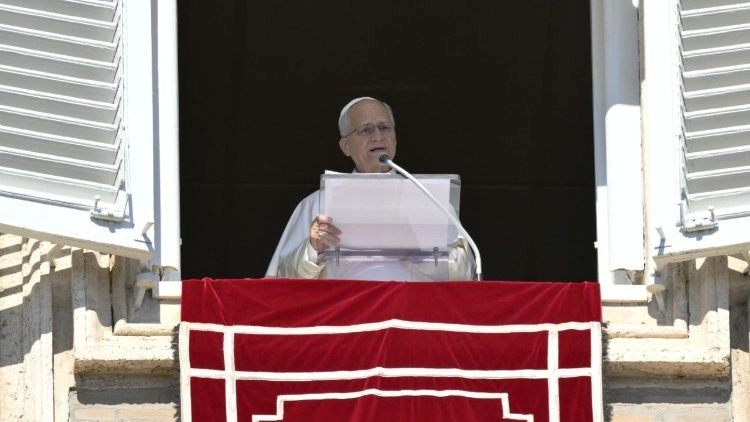
Pope Leo XIV speaks at the Sunday Angelus. PHOTO/VATICAN.
The invitation extended to people in the streets demonstrates the breadth of God’s mercy. Everyone, regardless of background or past mistakes, is offered an opportunity to encounter His love.
The guest without a wedding garment highlights the responsibility that accompanies God’s invitation. Simply accepting an invitation is not enough; believers must also allow their faith to transform their conduct.
The garment is commonly interpreted as a symbol of conversion, righteousness and a life shaped by love, obedience and good deeds.
The passage is not about judging people by their clothes or social standing. Instead, it challenges Christians to examine their own lives. Do they forgive others, care for the vulnerable, practise honesty and promote justice?
The king’s response underlines the seriousness of rejecting the demands of discipleship. Although God’s mercy is freely offered, believers are called to respond sincerely and live according to His will.
In his Angelus reflection on 15 October 2023, Pope Francis described the king as a generous father who invites people to share in his joy without forcing them to attend.
He emphasised that God respects human freedom, offering a relationship of love rather than subjection. Drawing on St Augustine, he recalled the principle that God, who created humanity without its help, does not save humanity without its consent.
This teaching highlights the relationship between divine grace and human freedom. God calls everyone, but each person must freely respond.
Consequently, attending Mass, receiving the sacraments or identifying as a Christian should not become empty religious routines. These practices should nurture a living relationship with God and inspire a life of service, compassion and integrity.
Together, the three readings offer a message of hope and responsibility. Isaiah promises a future without death and tears; St Paul teaches perseverance through Christ; and Jesus challenges believers not to ignore God’s invitation or accept it superficially.
The readings also call on the Church to welcome people who feel excluded, forgotten or unworthy. Parishes must translate this welcome into action by supporting the poor, comforting the grieving, helping struggling families and treating everyone with dignity.
Ultimately, God’s invitation is extended to all, but accepting it requires a sincere response. Christians are called to make room for God in their lives, welcome others with compassion and demonstrate their faith through everyday actions.
The central message is clear: God’s mercy is abundant, His invitation is universal, and His love offers lasting hope. However, those who accept His invitation must allow that love to transform their hearts, relationships and actions.