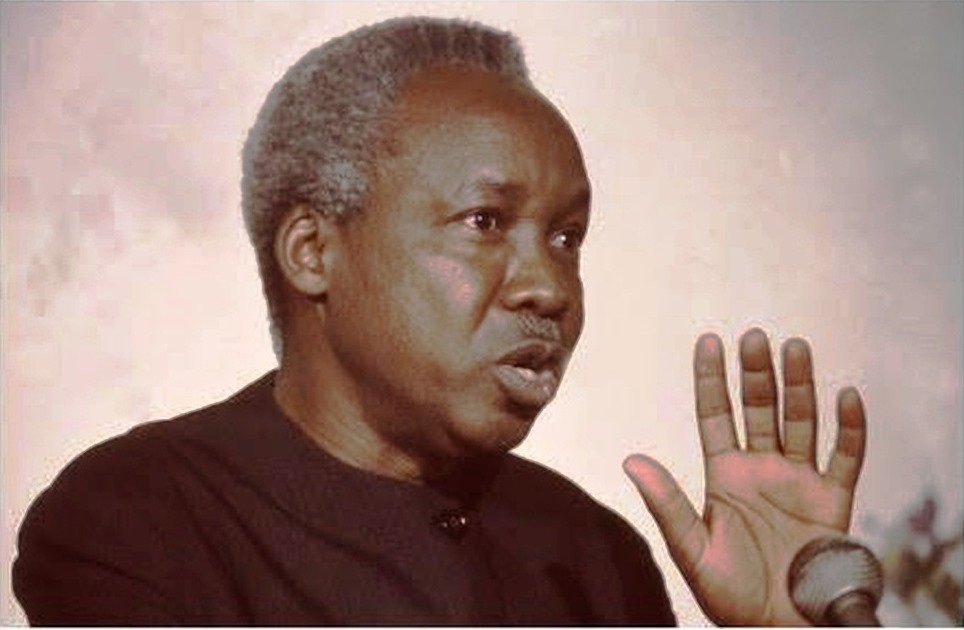



Barrister Ntumfon Ndangoh Tah Calvin of Cameroon. PHOTO/UGC.
By Ntumfon Ndangoh Tah Calvin
Recent reports of xenophobic violence targeting Africans, including Cameroonians and other foreign nationals in South Africa, have once again raised serious concerns about the protection of African citizens within their own continent. The continued silence and apparent lack of decisive response from several African governments, including Cameroon, is both troubling and disappointing.
As a Cameroonian, it is difficult to understand why stronger diplomatic measures have not been taken to address the recurring incidents of hostility and discrimination directed at fellow Africans in South Africa. African unity cannot be reduced to rhetoric and slogans while citizens of one African state are attacked, intimidated, or denied opportunities in another.
Diplomacy is grounded in mutual respect and reciprocity. The principle is straightforward: if you treat my citizens with dignity and fairness, I will ensure the same standard is applied to yours.
Conversely, if my citizens are unwelcome or mistreated in your country, then serious questions must be asked about the privileges extended to your nationals in mine. Where Cameroonians are prevented from conducting business, investing, or living peacefully abroad, Cameroon must be prepared to reassess the nature of its bilateral relations.
Reciprocity remains a recognised cornerstone of international relations. Yet many Cameroonians feel this principle is too often overlooked when their interests are at stake overseas. Too frequently, citizens endure humiliation, discrimination, and unfair treatment abroad while their government remains hesitant to respond firmly, often out of concern for diplomatic tensions.
One must ask what kind of diplomatic relationship exists if it requires silence in the face of the suffering of one’s own citizens. Diplomacy should serve to protect national interests and safeguard citizens’ welfare, not act as a justification for inaction.
Equally concerning are perceptions that some Cameroonians face unfair treatment within their own country when disputes involve foreign nationals. It is not uncommon to hear complaints that local citizens are disadvantaged by authorities simply because a foreign national has raised a grievance. Whether accurate or not, such perceptions undermine public trust and raise legitimate questions about the consistent protection of citizens’ rights.
The Government of Cameroon must place the welfare of its citizens at the centre of its diplomatic engagements. Where other countries impose restrictive or discriminatory policies against Cameroonians, including unfair visa regimes or unequal treatment, Cameroon should be prepared to review and, where necessary, respond in kind. Mutual respect between states can only be sustained where relations are based on equality and fairness.
The situation in South Africa requires urgent attention. Where Cameroonian citizens are stranded, threatened, or placed at risk due to xenophobic violence, the government must act swiftly to ensure their safety, including facilitating their return home where necessary.
At the same time, Cameroon should engage South African authorities through appropriate diplomatic channels and demand firm guarantees for the protection and security of African migrants.
Many Cameroonians still recall the difficulties faced by the prominent businessman Alhaji Baba Ahmadou Danpullo in South Africa. That episode remains a stark reminder that even successful African investors are not immune to actions widely perceived as unjust or discriminatory.
Cameroon must not remain passive when the rights and dignity of its citizens are under threat. The protection of citizens, both at home and abroad, is a fundamental responsibility of every sovereign state.
The government must act decisively, speak clearly, and ensure that every Cameroonian understands that their country stands firmly behind them, wherever they may be in the world.
The time has come for Cameroon to strengthen its diplomatic response, defend its citizens without hesitation, and ensure that the principles of justice, reciprocity, and national dignity are upheld in all international relations.