

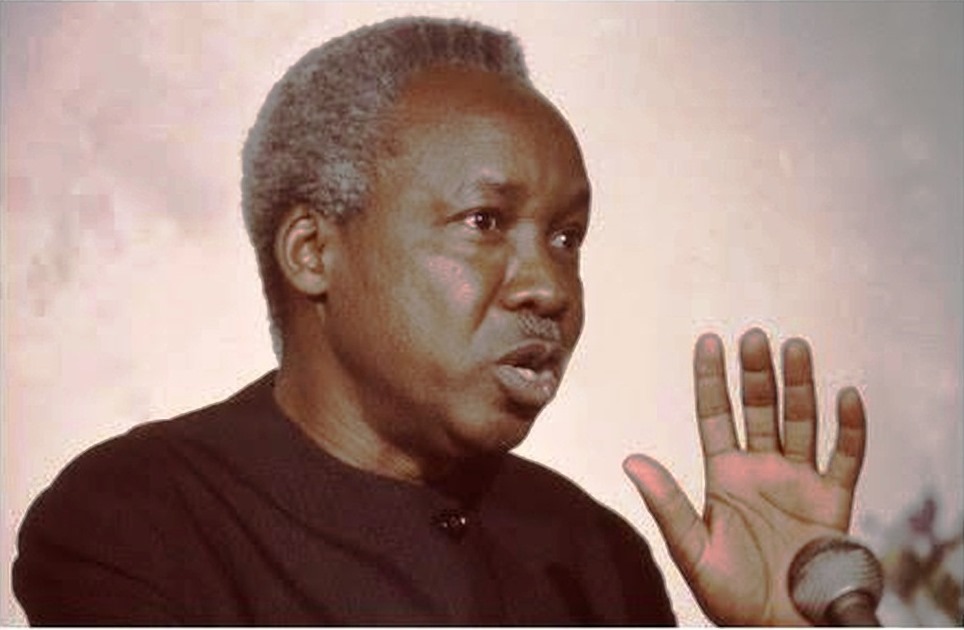
Mwalimu Julius Kambarage Nyerere. PHOTO/UGC.
By PATRICK MAYOYO
newsdesk@africaeconews.co.ke
A man who commanded an army, governed a nation and occupied the highest office in the land is now on a remarkable spiritual journey that could see him declared a saint by the Catholic Church.
Yet, perhaps the most compelling part of his story is not the power he wielded, but the life he chose to lead.
His name is Julius Kambarage Nyerere, affectionately known as Mwalimu, the Swahili word for teacher. Tanzania’s founding President, he remains one of Africa’s most influential independence leaders, remembered for his commitment to national unity, social equality and public service.
Nearly three decades after his death, Nyerere’s life is being examined through the Catholic Church’s rigorous process of canonisation.
On the Sunday of 11 th October, Bishop Lazarus Msimbe of Morogoro urged thousands of worshippers gathered at St Patrick’s Cathedral to continue praying for the former President as his cause for sainthood progresses. Twenty-seven years after his death, the bishop reminded them, Nyerere’s journey towards sainthood was continuing.
Since 2005, the Vatican has officially recognised Nyerere as a Servant of God, the first formal stage in the process. His cause has advanced to the investigation of witnesses and evidence concerning his life and virtues. If the process continues successfully, he could be declared Venerable, then Blessed, before eventually being canonised as a saint.
But how does a politician become a candidate for one of Christianity’s highest honours? And what about Nyerere’s life continues to inspire such admiration?
For many of his supporters, the answer lies in his understanding of leadership as a responsibility rather than a privilege.
At a time when political office in parts of Africa was increasingly associated with personal enrichment, Nyerere cultivated a reputation for modest living. He was not widely known for extravagant personal wealth or an elaborate business empire accumulated during his years in power. After retiring from the presidency in 1985, he returned to his home village of Butiama, where he devoted himself to farming.
The image of a former head of State returning to village life stands in striking contrast to the spectacle of leaders who become increasingly removed from the citizens they serve. Nyerere’s supporters saw in his choice a belief that public office was a duty to be fulfilled, not an opportunity for personal enrichment.
His identity as a teacher also shaped his approach to politics. Before entering public life, Nyerere had worked as an educator, and he carried that instinct into the presidency. He preferred argument and persuasion to intimidation, using carefully reasoned speeches to explain his ideas and appeal to the public’s sense of responsibility.
Bishop Msimbe captured this quality by describing Nyerere as a teacher rather than a dictator.
The distinction speaks to a fundamental question about leadership: is it enough to command obedience, or should a leader earn the trust of those they govern?
Nyerere was not without controversy. His government restricted political pluralism, while his socialist policies, particularly the forced villagisation associated with Ujamaa, caused hardship and remain subjects of historical criticism. His commitment to equality did not always produce the results he intended.
Yet these shortcomings do not erase the qualities that have drawn admirers to his cause for sainthood. Nor does the Church’s consideration of his life mean that every political decision he made is beyond criticism.
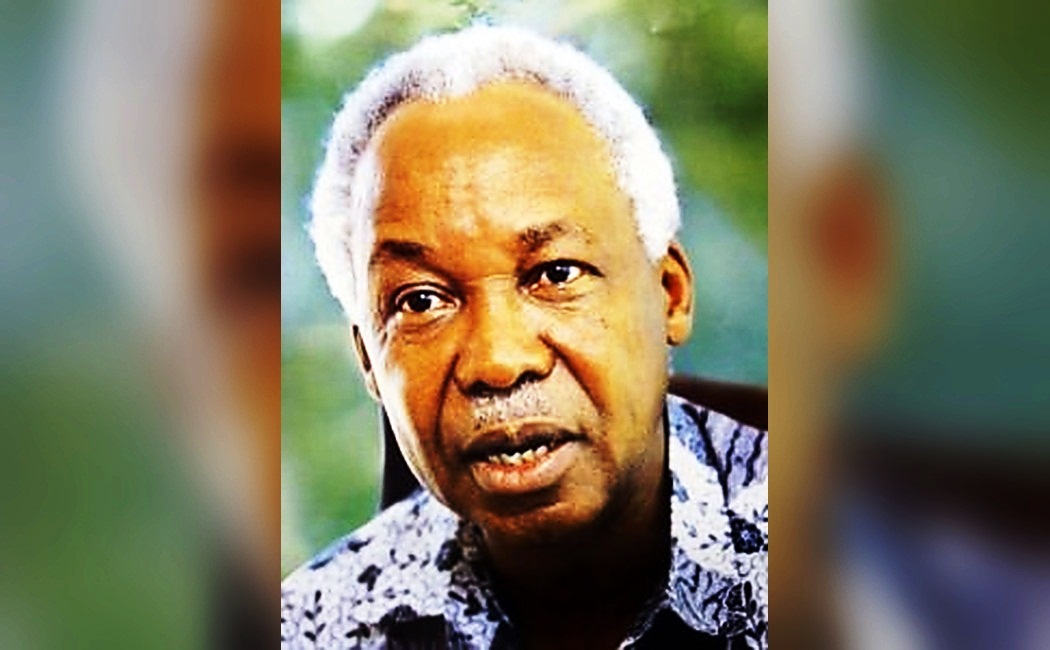
Mwalimu Julius Nyerere. PHOTO/UGC.
Ujamaa, his vision of African socialism, placed communal responsibility, social equality and the welfare of ordinary people at the centre of national development. Nyerere believed that a society’s progress should be judged not simply by its wealth, but by how it treated its most vulnerable members.
Whether his economic policies succeeded remains contested. But the question underpinning his philosophy endures: what is the purpose of leadership if it does not improve people’s lives?
His decision to leave office voluntarily in 1985 added another dimension to his legacy. Having led Tanzania since independence, he chose to step aside rather than remain President indefinitely. At a time when many African leaders sought to extend their tenure, his departure offered a powerful reminder that political authority belongs to the nation, not permanently to the individual who holds it.
Stepping down did not make Nyerere infallible, but it reflected his belief that leadership must have limits and that others should have the opportunity to serve.
Today, as the Catholic Church continues examining his cause for sainthood, his story invites reflection far beyond Tanzania’s borders.
Sainthood is not a reward for political achievement or popularity. The Church must examine a candidate’s life, Christian virtues and reputation for holiness, alongside the evidence required under its procedures. Nyerere’s presidency alone cannot determine the outcome.
Nevertheless, his example poses difficult questions for contemporary African leaders. If public office is a trust, why should public resources become instruments of personal enrichment? If leadership is service, why should extravagance be treated as an entitlement? And if power is temporary, why do some leaders cling to it at all costs?
The challenge extends beyond presidents and ministers. Integrity is equally necessary in county offices, local councils, public institutions and everyday life. A councillor does not need to be considered for sainthood to reject a bribe, just as an ordinary citizen does not need international recognition to act with honesty and compassion.
For Tanzania, Nyerere remains the founding father who helped shape a national identity and championed African independence and unity. For admirers across the continent, he represents the possibility of a political life guided by ideals greater than personal ambition.
For the Catholic Church, the question is whether his life demonstrates the Christian virtues necessary for recognition as a saint. Only its continuing investigation and discernment can determine whether he reaches that destination.
Until then, his story offers a lesson that transcends politics and religion. A person’s legacy is not measured solely by the office they occupy, the wealth they accumulate or the monuments they leave behind. It is also shaped by the principles they uphold, the responsibilities they honour and the lives they touch.
Nyerere governed a nation, but his admirers remember a man who sought to serve something greater than himself. Whether the Church eventually declares him a saint remains to be seen.
His challenge to Africa, however, is already clear: power is temporary, public office is a trust, and the true measure of leadership lies not in how long a person rules, but in how faithfully they serve.